
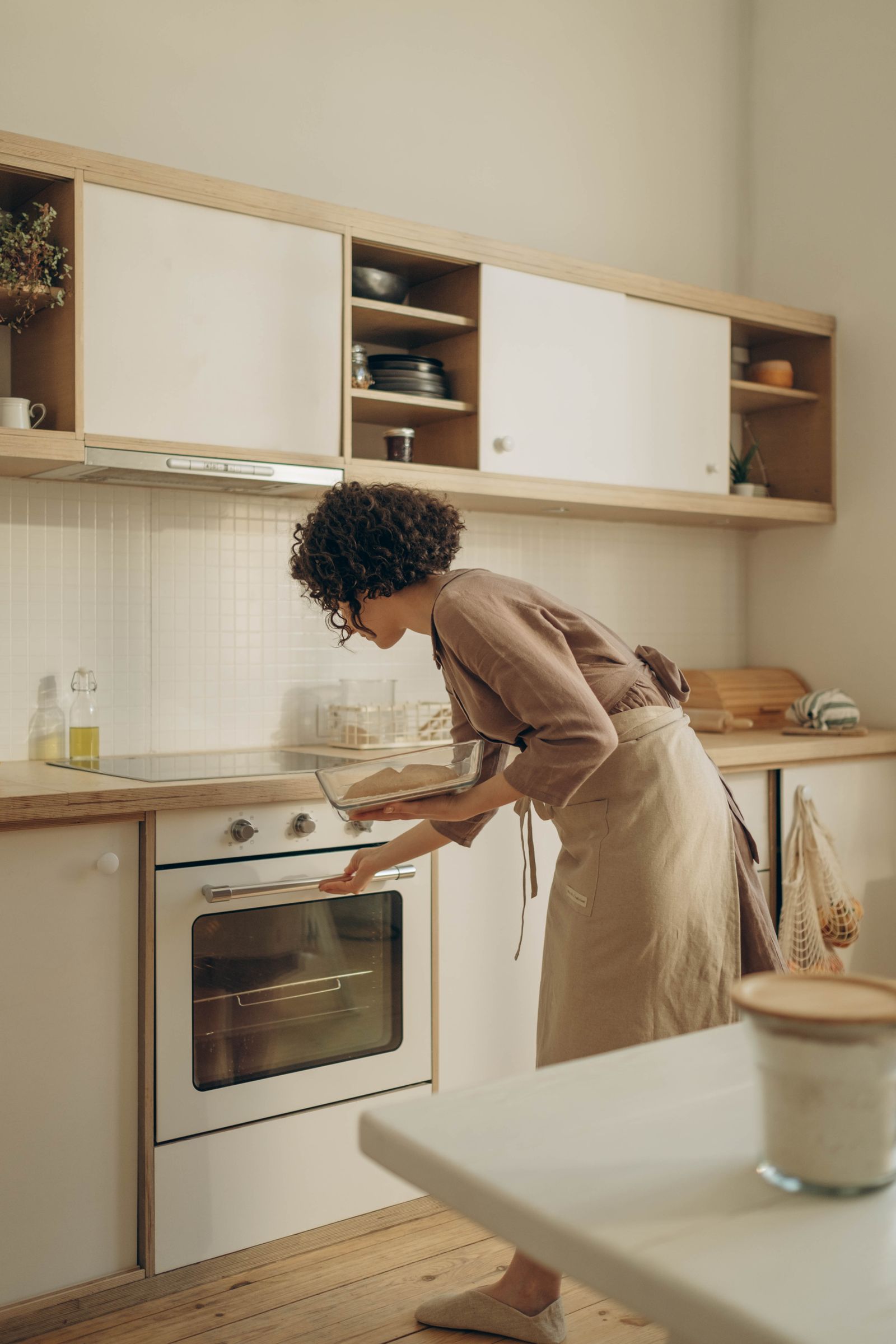
Wood, Plastic, or Composite? Choosing a Cutting Board for Real Weeknight Cooking
The right board depends on what you cook, where you wash it, and whether you will actually maintain it.
Search the guides
Latest field note
A practical way to choose a kettle that earns its counter space without overpaying for features you will not use.
Recently published
The right board depends on what you cook, where you wash it, and whether you will actually maintain it.
Build a smaller, compatible container system instead of collecting mismatched pieces.
Power is only useful when the machine fits your noise tolerance, portions, and cleaning routine.
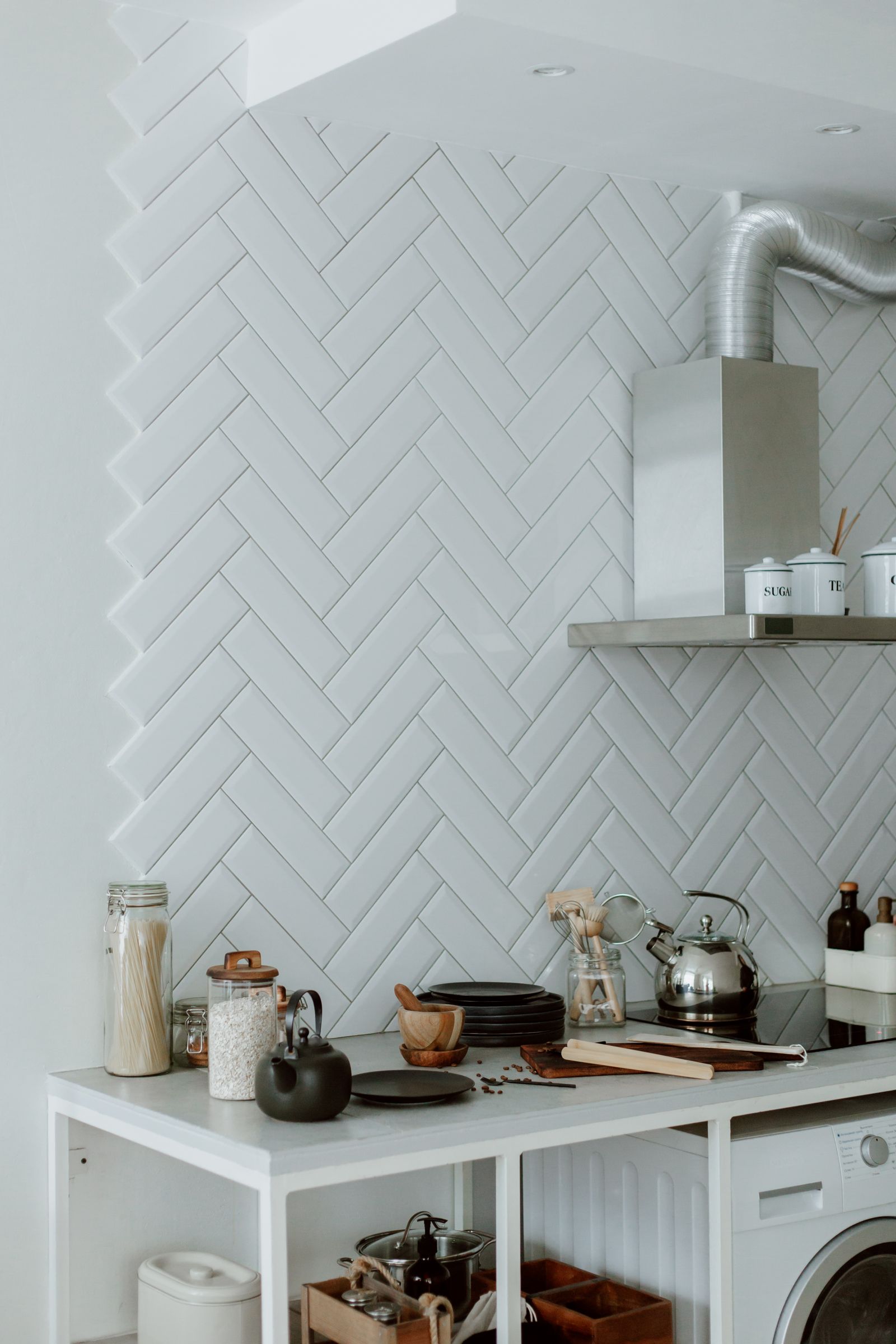
A drying rack should manage water and awkward cookware without taking over the room.
Browse by room and routine
The everyday home
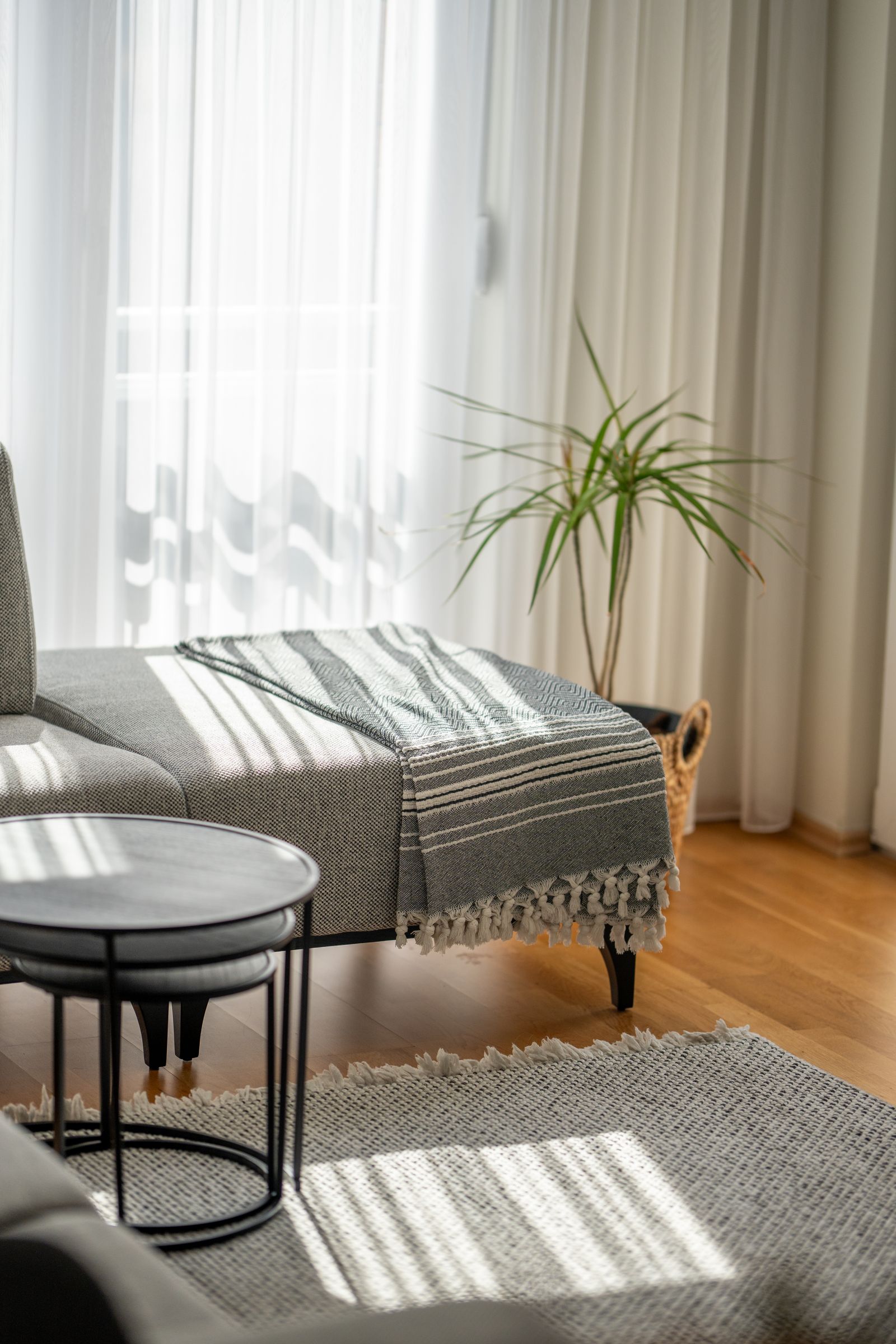
Light quality, shade geometry, and placement shape how a room works after sunset.
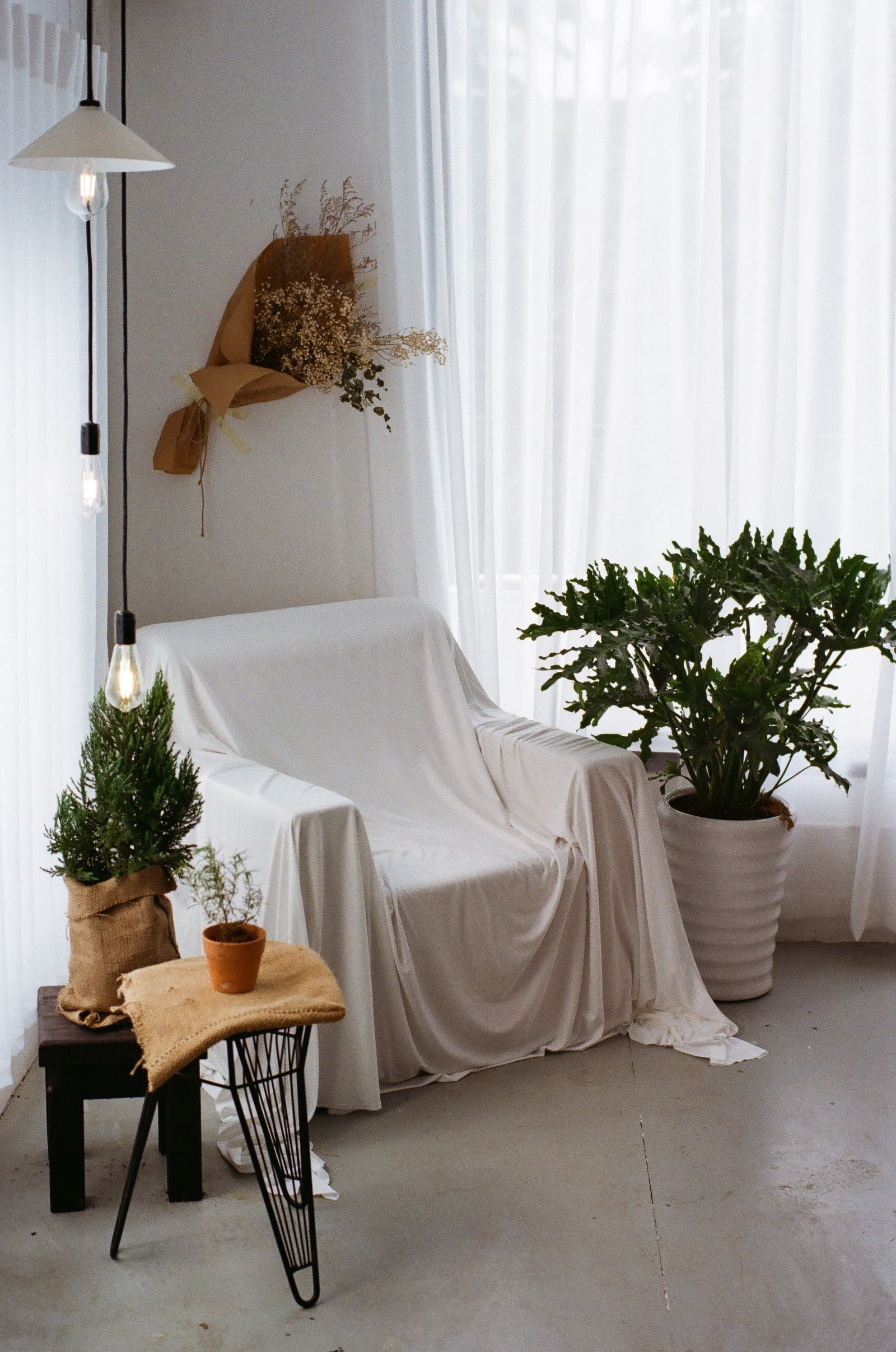
Match published performance to the room and include replacement filters in the real cost.
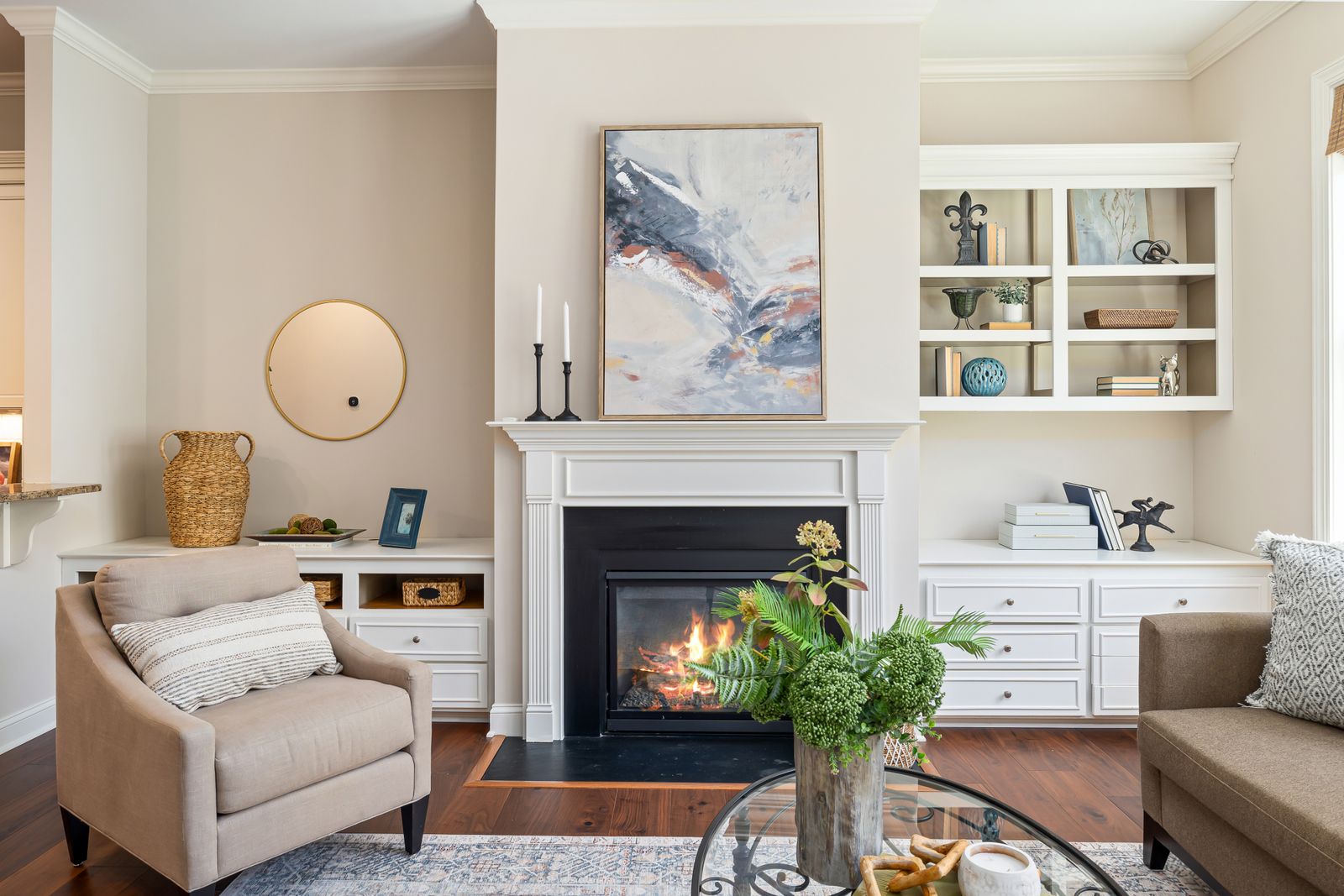
Fiber, weave, size, and washability determine whether a throw becomes useful or decorative clutter.
More from the journal
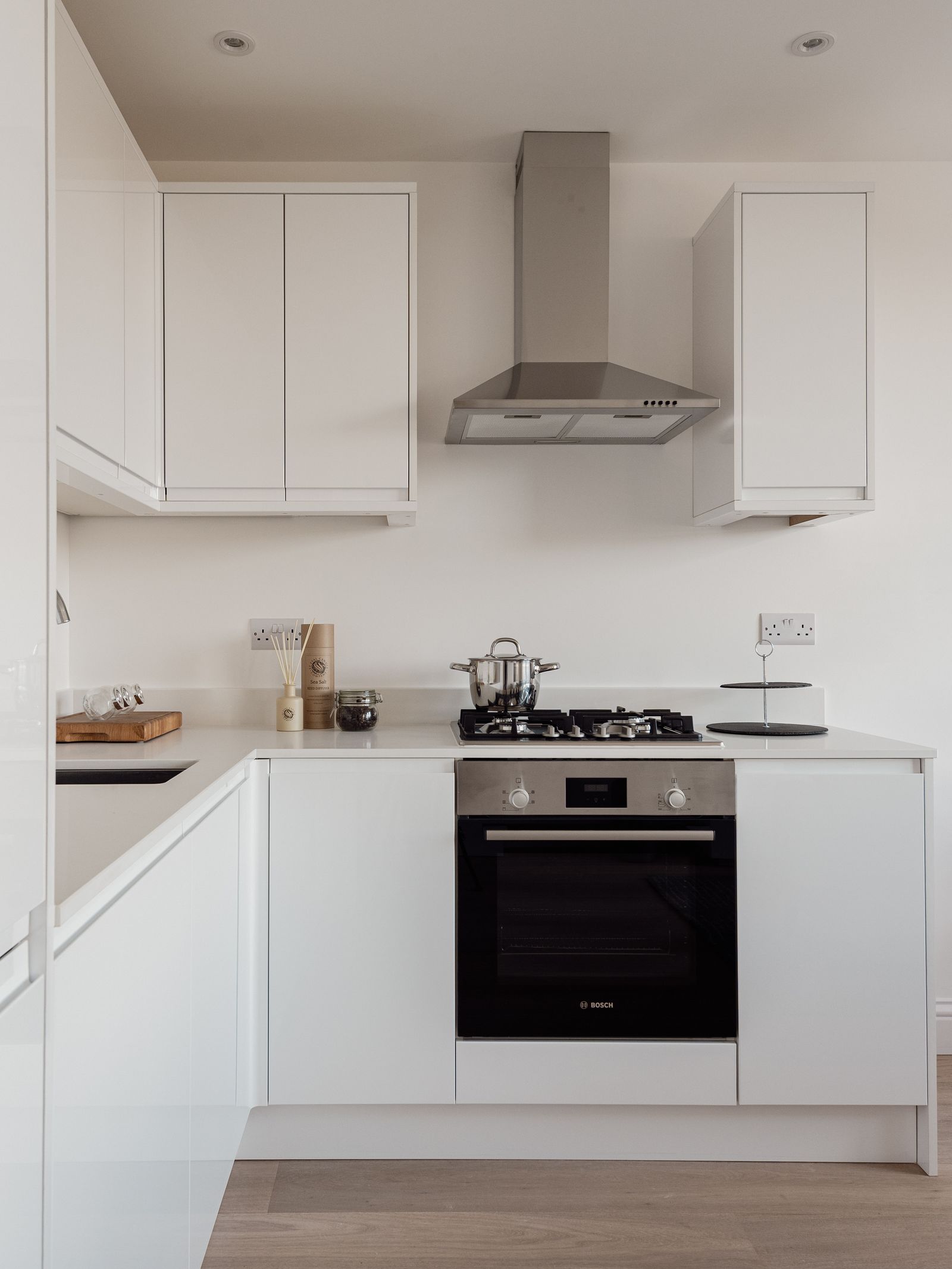
Choose the pan around your stove, usual portions, and tolerance for maintenance.
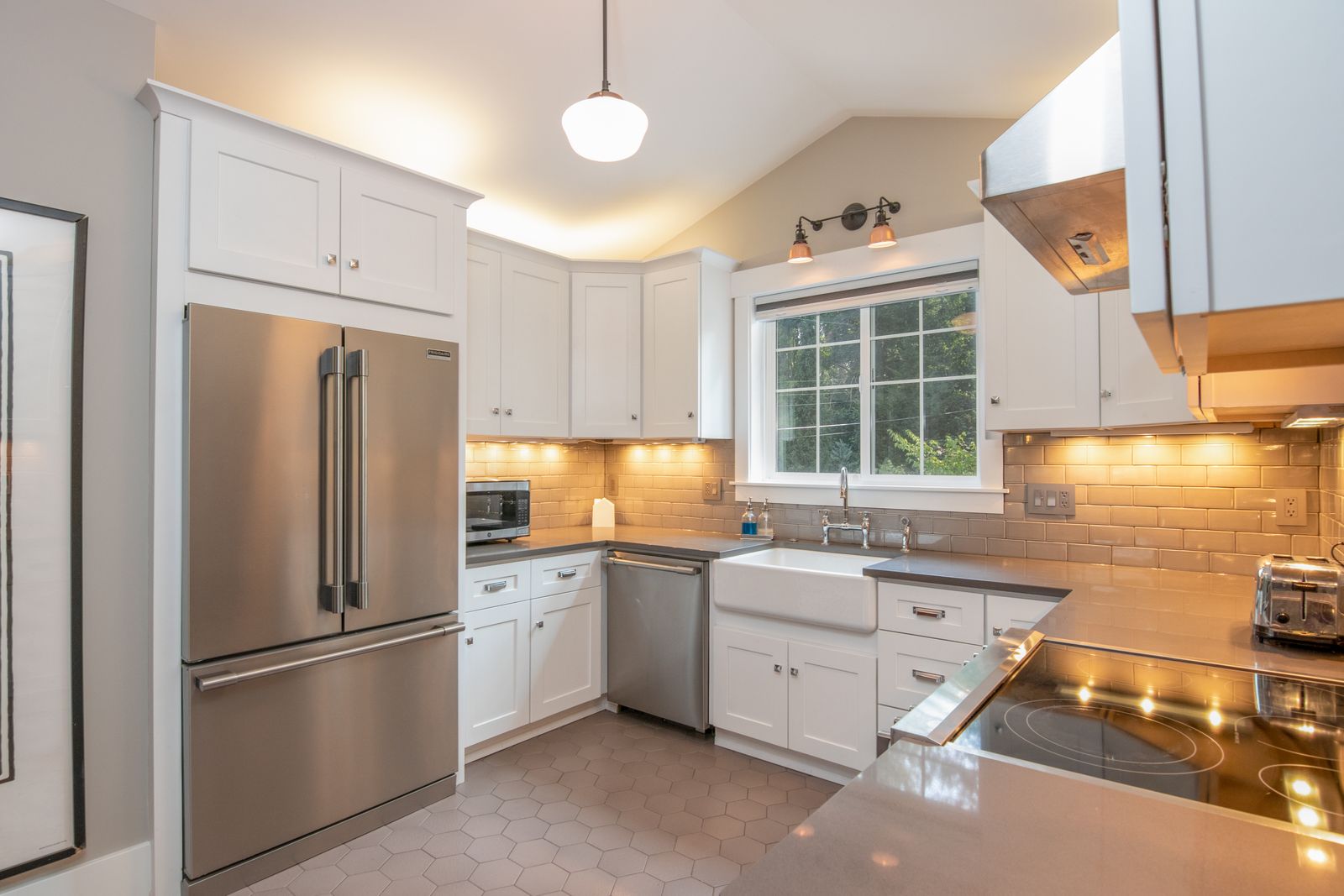
A consistent grinder matters, but workflow and cleanup decide whether it becomes part of the morning.
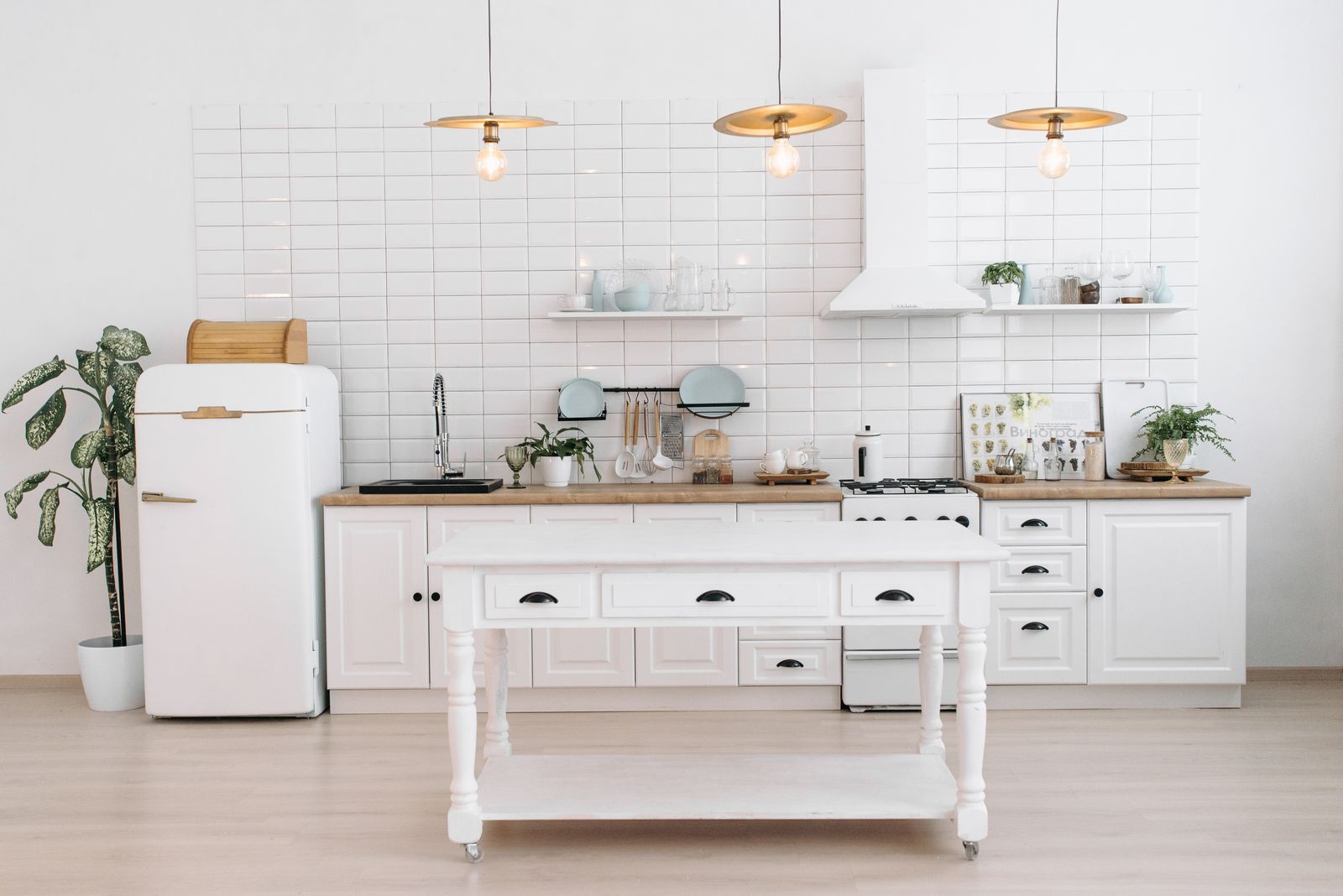
Buy plates and bowls that fit the dishwasher, cabinets, food, and number of people you actually serve.

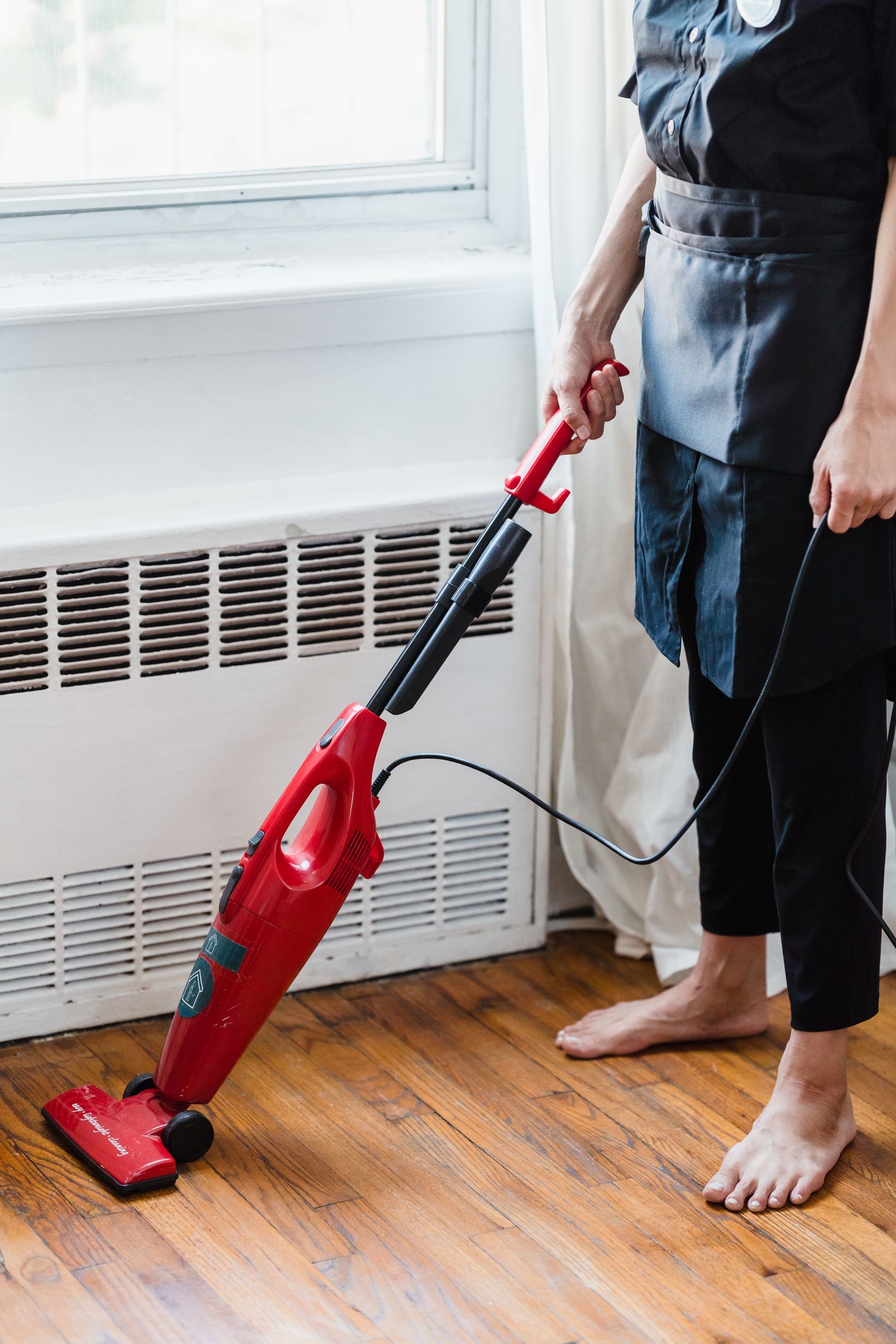
Start with the hardest part of your home to clean, then choose the machine that handles it safely.
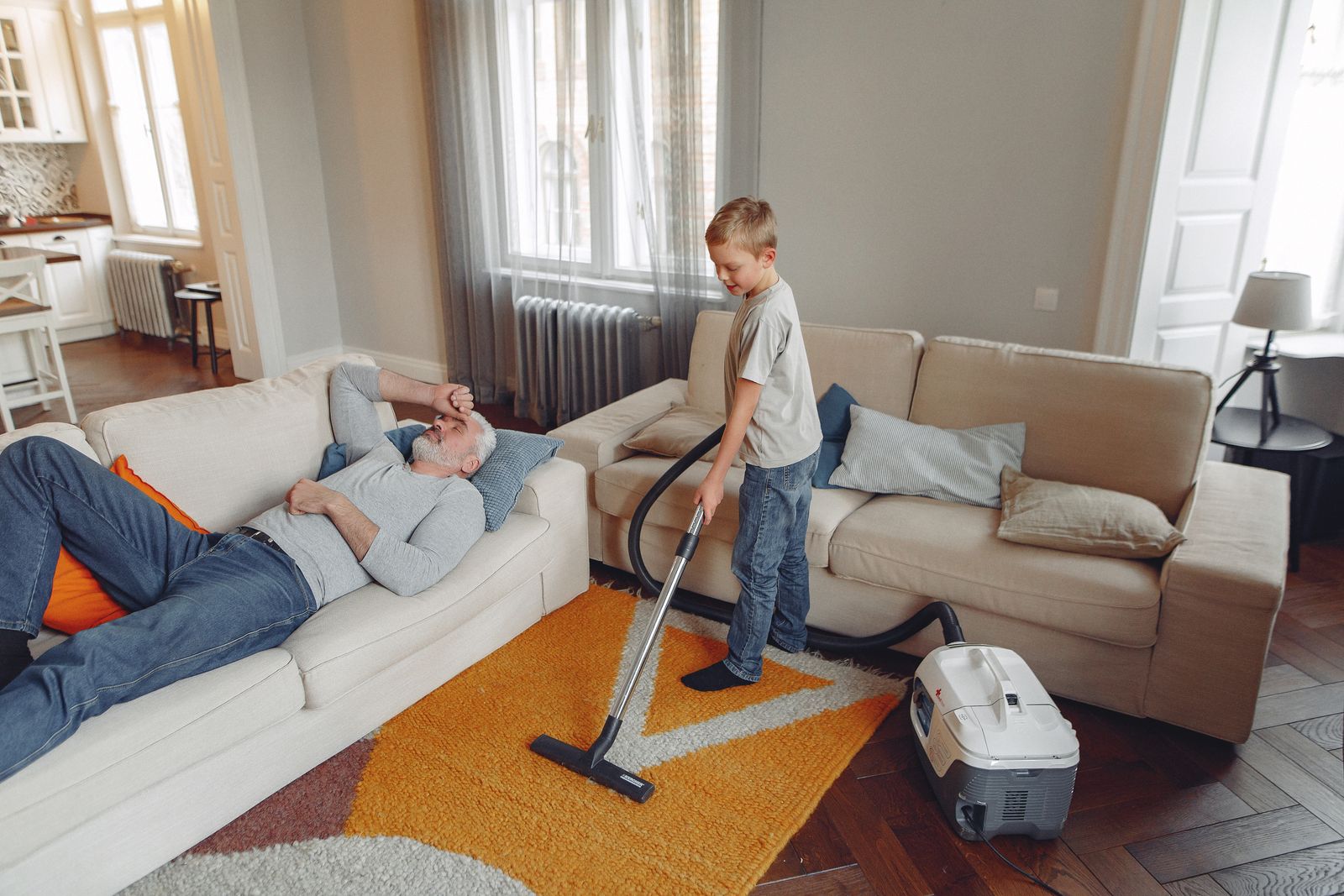
The best hamper removes decisions at wash time and fits the path clothes already take.
A small color-coded cloth system can reduce cross-contamination and disposable wipe use.

Different floors and messes call for different moisture levels, pads, and bucket habits.
Drying capacity, airflow, and storage matter more than the number of rails.

Choose based on flooring guidance, cleanup style, and the kinds of messes you face.
Our point of view
Better daily life is rarely about owning more. It is about choosing with the routine in view.
Dwell Kindly studies the small decisions behind ordinary rooms: where something lives, how it feels to use, what care it requires, and whether it still solves the problem after the novelty fades.
We compare published information and translate it into recognizable scenarios. We do not invent tests, scores, or personal experiences.
How we work