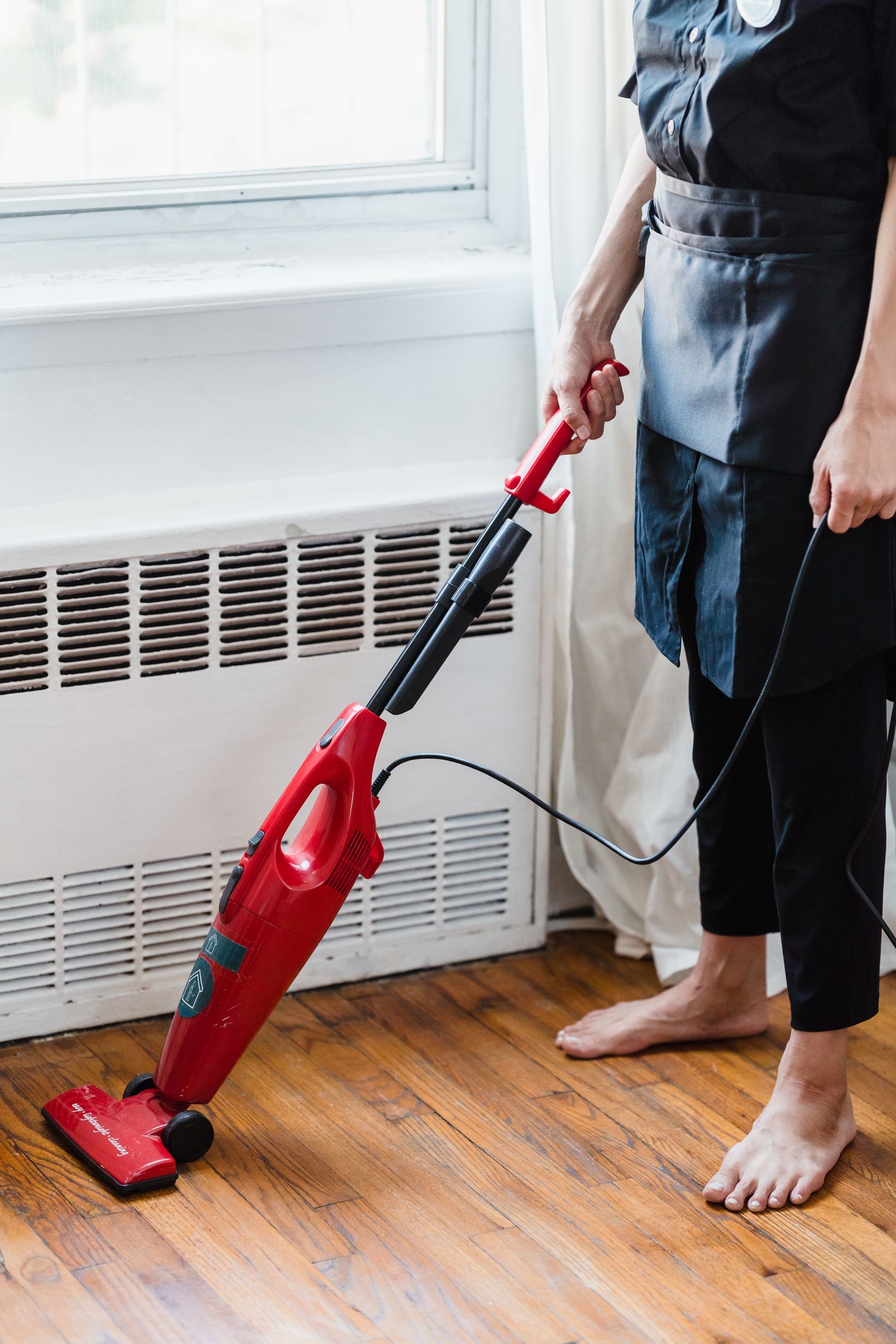
The bathroom spray is downstairs, the glass cloth is in the laundry room, and the duster is missing. Repeated trips make a 20-minute reset feel much longer.
Choose a caddy with a comfortable central handle, stable bottle compartments, and a washable base. Carry only multipurpose essentials and add room-specific products separately. That is the Dwell Kindly test: not whether a product looks impressive in isolation, but whether its fit, care, handling, and storage make sense on an ordinary day.
Start with the friction, not the feature list
Before opening a retailer page, write down what currently goes wrong. Is the product awkward to use, uncomfortable, hard to care for, poorly packaged, too small, or simply wrong for the setting? A specific problem makes comparison easier and reduces the pull of features that have little value in your routine.
Picture the busiest version of the routine: someone is in a hurry, the day is already in motion, and there is no spare attention for awkward fit, unclear directions, or fussy care. A good purchase should make that moment calmer. Its basic use should also be clear without a private tutorial.
Four checks before you buy
- List the five products used in most rooms. Use your real measurements, preferences, and the exact setting where the product will be used.
- Check bottle height against the handle. Compare this against your most common use, not the rare maximum case.
- Choose a wipe-clean material. Look for plain published guidance, complete material or ingredient information, and support where relevant.
- Keep gloves and cloths separated. Decide in advance which convenience is worth paying for and which is not.
What should you avoid?
Avoid filling the caddy until it becomes heavy or storing incompatible chemicals together. Also be wary of bundles that appear economical only because they include sizes, shades, formulas, or accessories you would not have selected separately.
Prices and availability change, so this guide does not quote a temporary deal as if it were permanent value. Compare the current total cost, including care, alterations, refills, replacement parts, shipping, and returns where relevant. When two options solve the same problem, the easier one to live with is usually the better long-term buy.
Shop the category
Compare current options with your requirements beside you.
Open retailer results only after writing down your fit or compatibility needs, care limits, and one non-negotiable feature.
Explore current options →A routine that protects the purchase
Even the right product disappoints when the routine around it is unclear. These three habits are a useful starting point:
- Restock after the cleaning round.
- Return room-specific items immediately.
- Rinse leaks before they dry.
Keep the instructions, care label, or a digital copy until the routine is familiar. If a product has closures, caps, wear points, or replaceable components, inspect them before performance drops. Small maintenance is less frustrating than diagnosing a failure later.
The Dwell Kindly verdict
The best choice is the one that fits the person, the setting, and the routine at the same time. Pay for durable usefulness: better fit, safer handling, easier care, clear directions, or repairable and replaceable parts. Skip novelty that adds another task.